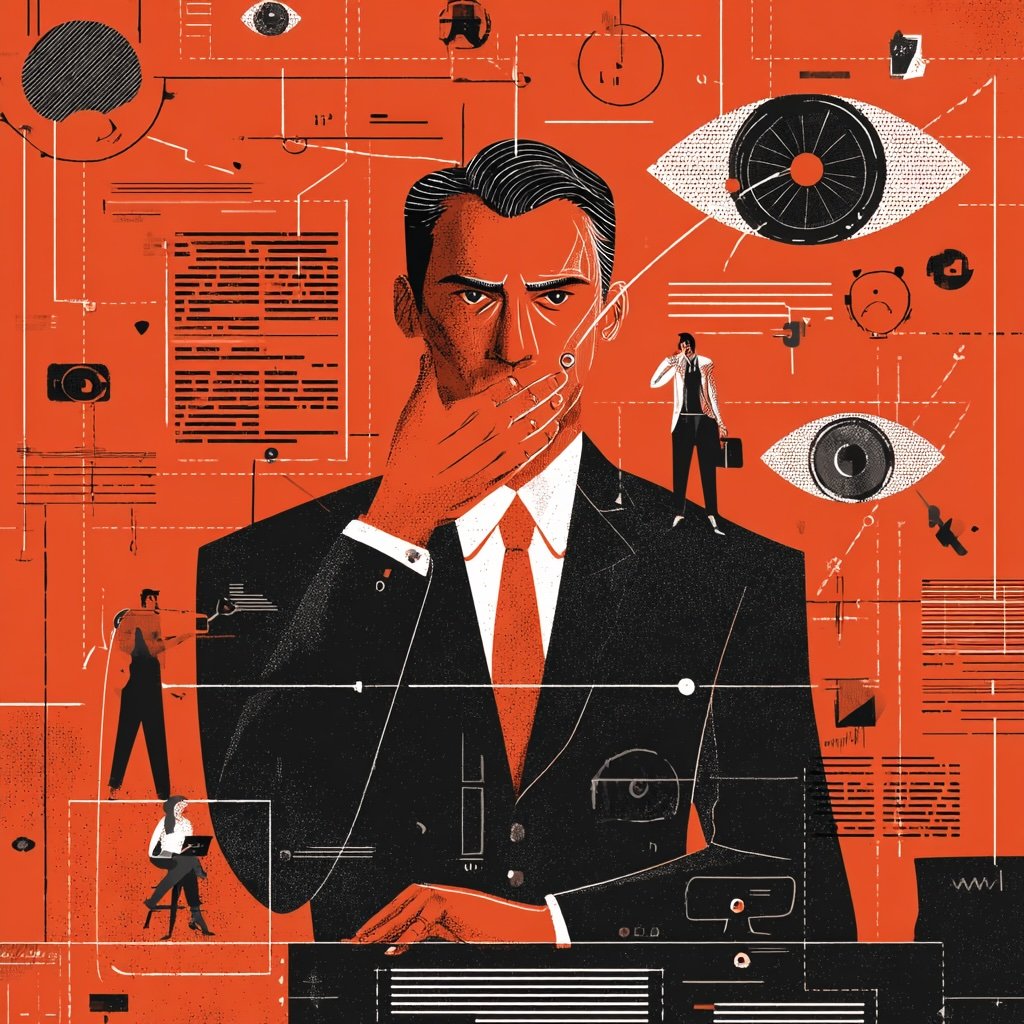

A disinformation security strategy is no longer something only government agencies and media organizations need to think about. In 2026, every enterprise is a potential target. AI-generated fake content, including fabricated executive statements, synthetic media impersonating your brand, and coordinated narrative attacks, can move so quickly as to cause measurable financial and reputational damage before your communications team even identifies what is happening. Gartner named disinformation security its tenth top strategic technology trend for 2026, emphasizing that organizations need proactive frameworks rather than reactive responses (Gartner, 2025). This post walks through what a solid organizational disinformation security strategy looks like, why the threat landscape has changed, and how to start building real defenses today.
Understanding the Threat Landscape in 2026
The disinformation threat facing organizations today is qualitatively different from what it was five years ago. Early disinformation campaigns typically required significant time, resources, and coordination to produce convincing fake content. That barrier has essentially disappeared. Large language models, image synthesis tools, and voice cloning systems are now accessible to anyone with a browser. As a result, the production cost of a convincing fake executive statement, product announcement, or earnings-related headline has dropped to near zero. Mandiant’s M-Trends 2025 report documented a significant increase in AI-assisted influence operations targeting corporate entities, including campaigns designed to manipulate stock prices and trigger regulatory scrutiny (Mandiant, 2025). Furthermore, these attacks increasingly use personalized synthetic media tailored to specific audiences, making them more effective than generic disinformation. The organizations that understand this threat clearly are far better positioned to defend against it.
The Core Components of a Disinformation Security Strategy
A strong disinformation security strategy has three interlocking components. The first is detection. You need systems that monitor for unauthorized use of your brand, synthetic media impersonating your executives, and coordinated narrative attacks across social media, news aggregators, and financial forums. Several AI-powered monitoring platforms have emerged to address this need. The second component is response. You need a pre-approved playbook that your communications, legal, and security teams can execute quickly when a disinformation incident is confirmed. Speed matters enormously. A false narrative that goes unchallenged for six hours is significantly harder to correct than one challenged within the first sixty minutes. The third component is prevention. This means making your authentic content harder to impersonate through digital signatures, provenance metadata, and clear verification channels that your stakeholders know to use.
Detection Technologies Worth Knowing
The detection landscape for AI-generated fakes has improved considerably. Content-provenance tools built on the C2PA standard enable organizations to embed cryptographic signatures in official communications, making unauthorized modifications detectable. Synthetic media detection tools from companies like Hive and Reality Defender analyze images, audio, and video for AI generation artifacts. Additionally, social listening platforms with disinformation-specific alert logic help surface coordinated inauthentic behavior before it reaches mainstream attention. It is worth noting that no detection technology is perfect. AI-generated content is improving faster than detection methods in some modalities. Consequently, detection should be viewed as one layer of a broader strategy rather than a complete solution in itself. Organizations that rely solely on technological detection without accompanying response and prevention capabilities remain vulnerable even when their monitoring is strong.
Building Your Organizational Response Playbook
Your response playbook needs to be in place before you need it. A disinformation incident is not the time to have a committee meeting about communication protocols. Pre-assign roles and responsibilities clearly. Designate who identifies an incident, who confirms it, who drafts the initial response, and who has authority to publish. Establish communication channels that your stakeholders trust and know to use for verification. Your investor relations page, verified social accounts, and official press contact are all part of this infrastructure. Train your communications and security teams jointly at least twice a year. A joint tabletop exercise that simulates a synthetic CEO statement targeting your stock is a powerful way to find gaps in your playbook before an adversary does. Furthermore, brief your board on the threat. Executive leadership needs to understand that disinformation is a material business risk in 2026, not an abstract public relations concern.
Protecting Your Executives and Spokespeople
Executives are the highest-value targets in corporate disinformation attacks. Synthetic video and audio of CEOs, CFOs, and board members can be used to fabricate false statements about earnings, acquisitions, or regulatory matters. The consequences of a convincing fake executive statement going unchallenged can include stock price movements, regulatory inquiries, and lasting reputational harm. Therefore, proactive protections for executive communications deserve a dedicated place in your disinformation security strategy. Establish a clear and well-publicized verification mechanism for authentic executive statements. Consider watermarking official video communications using provenance tools. Limit the amount of high-quality executive audio and video in publicly accessible archives when feasible, since that material is used to train voice and facial synthesis models. Work with your executives to ensure they understand the threat personally. An informed executive is a much harder target to convincingly impersonate.
Making Your Disinformation Security Strategy Sustainable
Building a strong initial framework is important. Keeping it functional over time is harder. The threat environment evolves continuously. New synthetic media capabilities, new distribution channels, and new adversarial tactics emerge regularly. Consequently, your disinformation security strategy needs to be treated as a living program rather than a one-time implementation. Assign clear ownership, whether to your security operations team, your communications function, or a dedicated cross-functional group. Fund it adequately. Set quarterly review cycles. Track incidents, even minor ones, because patterns in smaller attacks often predict larger campaigns. Share threat intelligence with peers in your industry through appropriate information-sharing networks. Finally, integrate disinformation risk into your broader enterprise risk management framework. Treating it as a standalone concern limits your ability to respond with the full organizational resources the threat may require.
References
Gartner. (2025). Top strategic technology trends for 2026. Gartner Research. https://www.gartner.com/en/information-technology/insights/top-technology-trends
Mandiant. (2025). M-Trends 2025: Special report. Google Cloud Security. https://www.mandiant.com/m-trends
Partnership on AI. (2025). Responsible practices for synthetic media. https://partnershiponai.org/synthetic-media
Weidinger, L., Mellor, J., Rauh, M., Griffin, C., Uesato, J., Huang, P.-S., Cheng, M., Glaese, M., Balle, B., Kasirzadeh, A., Kenton, Z., Brown, S., Hawkins, W., Stepleton, T., Biles, C., Birhane, A., Haas, J., Rimell, L., Hendricks, L. A., & Gabriel, I. (2022). Ethical and social risks of harm from language models. arXiv preprint. https://arxiv.org/abs/2112.04359