
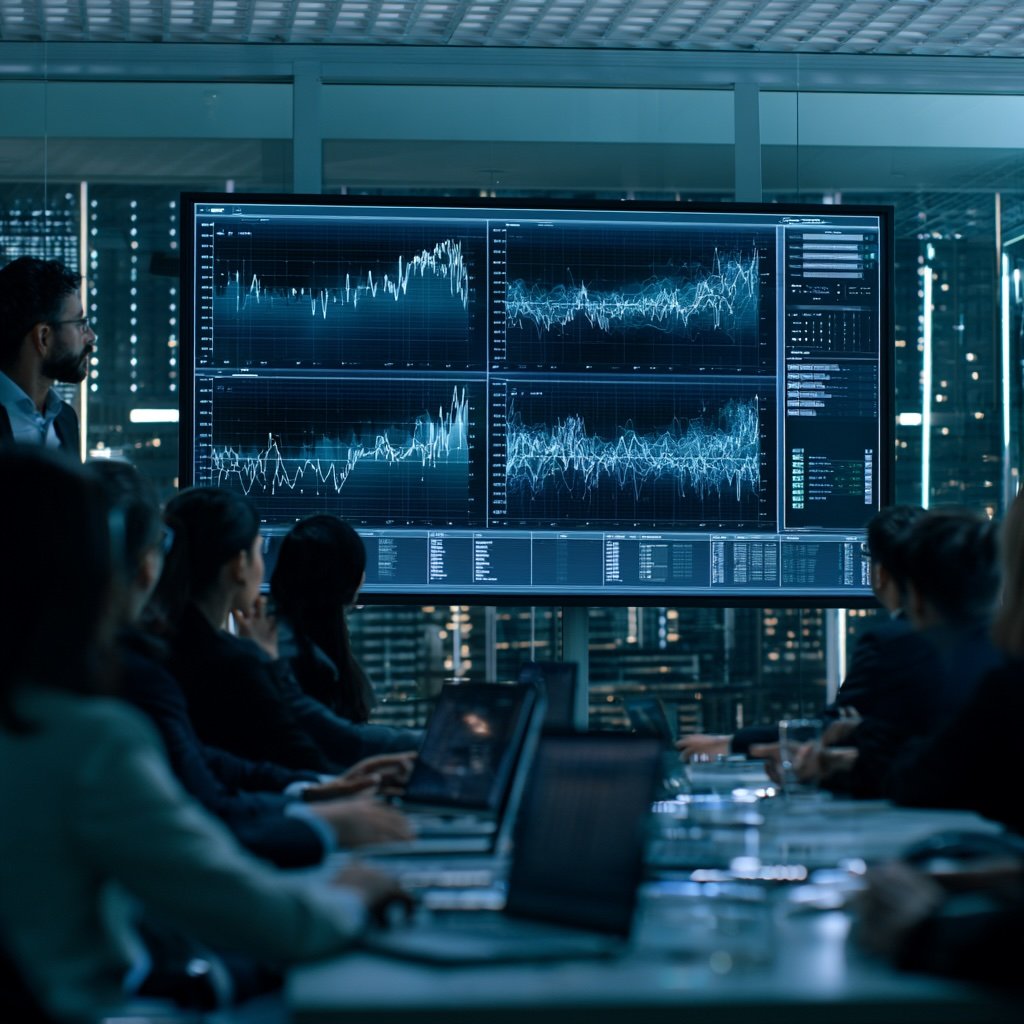

AI stopped being a topic boards could hand off to the IT department a while ago. It now touches strategy, risk, and financial reporting all at once, which means board-level AI literacy has quietly become a fiduciary requirement rather than a nice-to-have skill. A recent pilot study found a real gap here too, showing board AI literacy scoring significantly lower than executive AI competence among the same organizations, with a large effect size that suggests this is not a minor difference (Frontiers, 2026). Directors who ignore that gap are taking on more risk than they probably realize. Board-level AI literacy is quickly becoming a metric that regulators and shareholders both watch closely.
Why This Became a Legal Issue, Not Just a Technical One
Governance lawyers are no longer treating this lightly. One securities litigation partner put it plainly: AI governance has quickly become a legal and strategic imperative rather than an optional best practice, and boards that take time now to elevate their literacy will be better positioned to meet emerging oversight standards (WilmerHale, 2026). That framing matters because it shifts the conversation from a technology question to a duty-of-care question, and duty-of-care questions carry real consequences.
Regulation is accelerating this shift further. Across many European markets, significant legal requirements around AI governance are taking effect this year, and boards without baseline literacy will struggle to show they exercised proper oversight when regulators or shareholders ask (Harvard Law School Forum, 2026). This is no longer a distant-future problem.
What Board-Level AI Literacy Requires
Directors do not need to become engineers, and nobody expects a board member to debug a model. What they do need is enough fluency to challenge management, set an appropriate risk appetite, and guide transformation decisions without simply deferring to whoever presents the AI roadmap (Directors and Boards, 2026). That distinction matters because plenty of boards mistake a single presentation from the technology team for actual oversight capability.
Practical literacy means understanding what an AI system can and cannot reliably do, recognizing where vendor claims outpace real capability, and knowing enough about data and model risk to ask sharp follow-up questions during a review. It also means understanding how AI reshapes the data the board receives, since flawed or biased inputs can quietly distort the reports directors rely on to make every other decision (World Economic Forum, 2026).
Closing the Gap Without Overhauling the Whole Board
A dedicated AI subcommittee is one of the more common approaches boards are adopting right now. A smaller group goes deeper on technical leadership, then reports findings back to the full board in language everyone can act on, avoiding forcing every director through the same intensive training track (AI Conference London, 2026). This scales well for boards juggling AI oversight alongside a dozen other priorities each quarter.
Structured education programs are catching on too, often built specifically around governance rather than general AI literacy aimed at a broader audience. The goal isn’t to turn directors into practitioners. It is giving them a shared vocabulary and enough grounding to ask the right questions when management brings a proposal forward, so oversight becomes a real conversation instead of a rubber stamp.
What Happens When Board-Level AI Literacy Is Missing
Ivanti’s 2026 data found that 27 percent of IT professionals now identify governance, security, or compliance concerns as their organization’s single biggest AI deployment obstacle, ahead of skills shortages or technology limitations (Corporate Governance Institute, 2026). That statistic points squarely at leadership, not the technical teams building these systems day to day.
Boards without board-level AI literacy struggle to spot red flags in vendor relationships or assess whether a governance framework matches the risk involved. That gap exposes organizations to regulatory scrutiny and shareholder litigation down the line (BoardCloud, 2026). Building this capability now, before a crisis forces the issue, remains far cheaper than catching up after something has already gone wrong. A single training cycle costs a fraction of a regulatory inquiry or shareholder lawsuit once a governance gap becomes public, and boards that move early tend to look far better prepared when scrutiny eventually arrives.
References
Frontiers in Artificial Intelligence. (2026). Board-level AI literacy as a missing governance capability: A pilot study of boards and executives. https://www.frontiersin.org/journals/artificial-intelligence/articles/10.3389/frai.2026.1872783/full
WilmerHale. (2026). Board oversight and artificial intelligence: Key governance priorities for 2026. https://www.wilmerhale.com/en/insights/client-alerts/20260122-board-oversight-and-artificial-intelligence-key-governance-priorities-for-2026
Directors and Boards. (2026). AI literacy in the boardroom. https://www.directorsandboards.com/board-issues/ai/ai-literacy-in-the-boardroom/
World Economic Forum. (2026). How AI is changing the role of directors in the boardroom. https://www.weforum.org/stories/artificial-intelligence/hybrid-boardroom-ai-changing-role-directors/
BoardCloud. (2026). 6 governance trends for 2026: AI, cyber, and crisis risk. https://boardcloud.us/news/posts/6-governance-trends-for-2026/



I have been attempting a simple undertone check with my phone, but the result changes every time I move rooms. Different bathroom mirrors seem to change the apparent balance of my skin much more than I expected. I now plan to take several photos near the same window on separate days. I am keeping makeup, filters, and automatic colour effects out of the process. Before deciding from one photo I would compare a few neutral fabrics beside my face. Navy, cool grey, berry, and gentle blue would give me more than one clue to consider. I also want to record whether each shade makes shadows, redness, or unevenness more noticeable. A later side-by-side review seems more useful than an instant reaction. I found this overview useful while setting up the comparison: [url=https://faceshapeanalysis.top]skin undertone test camera[/url] What would you standardise first before comparing the photos?
I am choosing a new profile photo and noticed that my face looks noticeably different across pictures taken on the same day. In one phone shot it looks narrower, while a portrait taken from farther away gives me another impression entirely. I understand that head position matters, but I would like to compare the pictures without overinterpreting one frame. I had initially been reading about [url=https://faceshapecheck.top]skin tone analysis[/url] and that reminded me how much camera conditions can affect appearance judgments. I am now trying to look at face proportions as a separate issue. I could take a few neutral photos and note whether the forehead, cheekbones and jaw look consistent across them. Checking the overall outline could make the comparison easier, but I do not expect one result to settle which photo is best. Have you found that keeping the phone at eye level makes these comparisons more reliable? I would also like to know whether a relaxed expression is better than a posed smile when checking the outline. I am looking for a simple repeatable method before picking a picture to use.
I’m thinking about changing my hair color, but I want to understand my undertone first. My phone photos look quite different depending on the room. In daylight my skin looks fairly neutral, while the bathroom light makes it look much warmer. I know a camera can shift colors. I don’t want to pick a hair shade based on one misleading picture. Would you use indirect daylight beside a window? I’m also unsure whether to compare my face with a white shirt, a gray background, or several fabric colors. Some guides focus on veins, but mine are hard to judge. I found this page while looking into [url=https://hair-color.top]skin undertone test camera[/url] and plan to use it as a starting point for comparing colors rather than treating one result as a verdict. What small changes helped you get a steadier comparison? I can wear the same neutral shirt in every photo. That should make changes in the light easier to spot. I’d especially appreciate advice from anyone who checked their palette before making a hair appointment. I have time to try a more careful comparison before I book.
I am trying to understand my undertone before ordering makeup samples, but my phone camera keeps changing the result. In a north-facing window my skin looks fairly neutral, yet the same photo taken later can look noticeably warmer. I turned off beauty mode and I am using the rear camera, although automatic white balance still seems to interfere. A plain grey top helps a little, but I cannot tell whether I am comparing colour or simply reacting to contrast. I use a plain wall behind me to reduce differences that have nothing to do with my skin. I want to keep the test simple so I can repeat it on another day instead of chasing a perfect single image. I intend to keep one small note beside each image rather than relying on a memory of how the first attempt looked. I found a [url=https://yourfaceshape.top]skin undertone test camera[/url] guide while collecting ideas for a home comparison and plan to record the time, light, and the colours placed near my face. For anyone who has solved this problem which conditions should stay fixed before I compare the photos?
I have booked my first proper color appointment, and I am trying to arrive with a useful description instead of a heavily edited photo. The hair I have now is a fairly ordinary brown and my skin is fair, so I am considering a cooler change rather than a bright copper or golden blonde. The salon pictures I saved look convincing under studio lights. I cannot tell which of those shades would still look balanced when I am outside or under office lighting. I hope to bring two realistic shade options. I would prefer a result that can grow out without urgent touch-ups. I am using [url=https://hairstylingtips.top]cool summer hair color ideas[/url] as vocabulary for the consultation, not as a strict rule about what I should choose. Should I bring more than one shade reference to the appointment? I can take pictures in natural light, but I am unsure how much to trust a phone camera’s color balance. I am also taking quite a bit off the length, so I would rather make the color decision thoughtfully than change everything at once. A modest first step would give me something concrete to judge. For anyone who has tried a subtle cool shade, what made the consultation more useful? I am especially interested in how you weighed everyday lighting, upkeep and the condition of your own hair.
I recently stopped covering my gray hair and the changing contrast is making some dependable clothes look unfamiliar near my face. I want to observe the transition patiently while continuing to use most of what I own. My dark navy jackets remain useful, but a few warm beige and brown tops now seem disconnected from the cooler hair around my temples. I am trying not to make permanent purchases from a changing appearance, especially because the dyed lengths will remain for quite a while. I found this [url=https://onlinehaircolor.top]personal color analysis[/url] as a framework for repeating the same draping check every few months. Would two cool neutrals and one softened accent be enough, and should I then wait until more natural hair has grown before changing larger pieces? I am open to using existing accessories during the transition. Which changes are worth making early, and which should wait?
I am trying to make my wardrobe smaller, and I would rather understand which colors I actually wear well before buying anything new. I laid out several pieces I wear regularly. The same blue looks calm next to my face by a window, but oddly harsh under the warm bulbs in my room. That difference is enough to make me hesitate. I have been reading about [url=https://body-shape.top]personal color analysis[/url] as a way to give these comparisons some structure. I would hold each sample at the same distance. I can set aside an hour on a bright morning. I would place a few fabrics near my face, keep the background neutral, and take notes instead of trusting a single photo. Would you begin with warm and cool versions? I could write down what changes with each fabric. I am also unsure whether to include makeup, since it might change the result I am trying to observe. I am looking for a process rather than a label alone. If you have tested colors this way, what did you look for in your face and eyes, and which differences were too subtle to trust? I want to keep the pieces that work, not replace everything. Any practical order for the comparisons would be appreciated.
En una ruta por Andalucia nos planteamos dormir cerca de Ronda en una burbuja. La propuesta nos parece curiosa, pero viajariamos en verano y no sabemos cuanto se calienta antes de que caiga el sol. Para nosotros el descanso cuenta mucho. Por eso quisiera saber si la climatizacion funciona toda la noche sin hacer ruido. Tambien me pregunto como se resuelve la ventilacion al amanecer. He encontrado informacion general sobre [url=https://dormirenunaburbuja.top]casa burbujas ronda[/url] pero antes de elegir una fecha quiero preguntar por las condiciones concretas de cada establecimiento. ?Hay alguien que haya probado este tipo de alojamiento en pleno verano? Iremos con equipaje ligero. Queremos pasear por Ronda y llegar despues; importa la hora limite de entrada y si el camino esta indicado. Entendemos que la meteorologia puede cambiar y no esperamos una vista perfecta. Si queremos saber que sucede si hay tormenta o viento fuerte y si las condiciones de cambio de fecha aparecen por escrito antes del pago. La limpieza de la cubierta y la distancia a otras unidades son otras dos preguntas que llevaria preparadas. Si habeis estado en una burbuja por esa zona, ?que detalle os hizo decidir que la reserva merecia la pena? Me serviran ejemplos concretos, incluso si decidisteis escoger otro tipo de alojamiento.
My next business trip involves three days of meetings, so I want a compact wardrobe with a few useful combinations. I already have navy trousers and a grey jacket, plus comfortable shoes for the walks between our meeting locations. I keep getting stuck on tops because I want some variety while still using the same trousers and jacket. I have been reading about [url=https://outfitinspiration.top]color analysis[/url] although I want to compare the clothes I own before buying pieces from any particular seasonal palette. Would a lighter shirt and a deeper knit make a useful pair, or should their tones stay fairly similar? One evening includes a casual dinner, so I hope the same jacket can work with a slightly more relaxed combination. If you were working with these pieces and limited luggage space, which two outfit decisions would you settle first?
Готовимся к поездке в Прагу, и дочь хочет заранее понять, кому посвящены памятники на городских площадях. Пытаюсь подготовить несколько понятных историй для прогулки, а не превращать отпуск в школьный урок с проверкой знаний. Для начала смотрю материалы по запросу [url=https://praguetrip.top]Ян Гус.[/url] Но пока не понимаю, какие подробности помогут объяснить события ребёнку, а какие лучше оставить для более позднего чтения. Ребёнку интереснее причины человеческих поступков, чем последовательность правителей, поэтому хочу начать с вопроса о выборе и его последствиях. Хотелось бы обозначить, где речь идёт об известных событиях, а где начинается популярное объяснение, упрощающее сложную историческую картину. Может быть, кто-то готовил похожий рассказ для ребёнка и может подсказать удачный порядок тем без лишних исторических отступлений. Если знаете понятный текст для первого знакомства, поделитесь названием и объясните, для какого возраста он вам показался подходящим. Планируем обсуждать это без спешки.
Во время отдыха в Кобулети хочу выбраться в Уреки на несколько часов, без переезда и ночёвки в другом месте. Обратную дорогу хотелось бы оставить гибкой, поскольку заранее трудно решить, сколько времени провести у моря. При выборе дороги важнее возможность спокойно уехать назад, чем минимальная стоимость первого участка маршрута. Для начала сохранил описание [url=https://travelgid.top]как добраться из кобулети в уреки[/url] — это отправная точка для дальнейших уточнений. Вещей будет немного: небольшой рюкзак с водой и полотенцем, без большого багажа. Пешая прогулка меня устраивает, но хотелось бы заранее понимать её длину и не тратить половину дня на поиск остановок. Хочу уточнить, где лучше выяснять обратные отправления и насколько далеко место прибытия находится от нужного участка пляжа. Не рассчитываю на конкретное расписание из старого сообщения: понимаю, что такие сведения нужно перепроверять перед выездом. Поделитесь, пожалуйста, своим порядком действий и тем, о чём лучше спросить ещё до посадки в транспорт. Больше всего интересует запасной вариант возвращения, если погода испортится и оставаться на пляже уже не захочется.
Планирую обсудить самостоятельные поездки на следующей встрече нашего клуба. Мы не продаём экскурсии и не составляем настоящий маршрут. Задача проще: научиться задавать уточняющие вопросы, когда читаешь чужое описание путешествия. Для упражнения нужен один понятный пример. Участники будут работать парами и сравнивать свои вопросы. В поисковой подборке встретилось сочетание [url=https://wiengid.top]михаил шварц путешествия[/url] — ссылку пока рассматриваю только как возможный материал занятия. Прежде чем что-либо раздавать, выберу небольшой фрагмент и проверю, подходит ли он нашей группе. Хотелось бы отделить личные впечатления автора от сведений, которые читатель должен уточнить самостоятельно. Одна пара могла бы выписать вопросы о дороге. Остальные посмотрят, легко ли восстановить порядок шагов. Ещё выделим утверждения без достаточного временного контекста. Уровень подготовки у всех разный, поэтому важно, чтобы участник мог объяснить свой вопрос обычными словами и показать, какой фрагмент текста заставил его об этом задуматься. Какое задание помогает новичкам читать такие материалы внимательно, но не превращает встречу в экзамен? Посоветуйте небольшое задание с понятным результатом.
Готовлю короткую поездку в Мадрид, которая начинается с позднего прилёта. Бронирование пока не сделал: сначала сравниваю районы с удобным проездом. Багажа немного, однако поздним вечером длинные переходы кажутся неудобными. Рассматриваю несколько видов транспорта и хочу понять ограничения каждого. Отдельно хочу заложить запас на выход из самолёта и поиск нужной остановки. Также хочется понять порядок покупки билета, чтобы не задерживаться у кассы. На случай позднего выхода из аэропорта хочу заранее записать альтернативный способ проезда. Буду благодарен за советы с указанием терминала и примерного времени поездки. [url=https://ispaniatravel.top]как добраться из аэропорта мадрида в центр[/url] — такой материал использую как отправную точку. Расписания и условия проезда хочу проверить перед вылетом; сейчас важнее понять, какие детали стоит уточнить для своего рейса. Также интересно, насколько легко ориентироваться по указателям после прилёта и стоит ли заранее сохранить схему переходов на телефон, чтобы пользоваться ею без интернета.
Собираемся на море с дошкольником и пока сравниваем места для спокойного отдыха. Красивые фотографии помогают составить список, но по ним сложно понять, как проходит обычный день у воды. Нам важен пологий вход, а не только цвет песка. Хотелось бы найти тень неподалёку от берега. Не хотим каждый раз собирать все вещи и долго идти обратно к жилью, когда ребёнок устанет. Также пытаемся разобраться с туалетами и местами для перекуса. Для первоначального поиска смотрим материалы по теме [url=https://spainbeaches.top]канарские острова[/url] и теперь сравниваем конкретные пляжи по одинаковым критериям. Аренду машины на весь срок ещё не решили. Поэтому длинный путь от остановки или крутой спуск могут оказаться важнее живописного вида. Ещё хочется понять, будет ли удобно идти к пляжу с коляской и сумкой для детских вещей. Что вы обязательно уточняете перед выбором жилья у такого пляжа? Особенно помогут примеры, где понятны путь к берегу и условия вокруг него.
The photos of my last short cut were lovely, but the daily styling took more effort than expected. For the next appointment, I want to compare bob lengths with the time I actually have to get ready. There is a natural bend around my jawline, which makes very sleek reference pictures difficult for me to interpret. I saved a page while searching for [url=https://style-my-hair.top]blonde bob[/url] and would use it as a starting point for comparing outlines. I would keep the colour unchanged and focus on where the ends sit, rather than changing several things together. I think side and back references would help, because the front photo does not show the whole shape clearly. At the consultation, I would ask which version is realistic when I let my hair dry with minimal styling. The most striking reference is not necessarily my first choice if maintaining it would take more time than I have. What would you ask at the consultation to distinguish a manageable bob from one that depends on daily styling?
I am preparing a classroom exercise about what changes when an audio file is exported into different formats. A generated instrumental could provide the example, provided students can always return to the original file. I would start with listening notes so that the image does not dictate their initial observations. I found [url=https://sunofixer.top]mp3 to spectrogram[/url] as a possible reference while planning the visual part. We would then compare documented export settings using the same passage and a consistent playback level. Students should not assume that a difference in the display proves a problem with the source. A worksheet could separate audible observations, export settings, and questions that remain unresolved. The task would end with a comparison rather than a demand to fix the example. Students would record the software used for each export so that their comparison can be repeated later. Which comparison mistakes should I explain before students begin this exercise?
I am editing a short podcast introduction with music underneath the first sentence. The cue sounds acceptable alone, but the overlap is harder to judge. I want to avoid confusing a mixing problem with an export problem. A useful comparison seems to require a fixed narration track and matched music levels. The original export would stay in a separate file throughout the comparison. The narrator has a soft delivery, and the cue includes a sustained background layer. I would listen to the opening both on headphones and on a small speaker, noting whether individual words remain easy to follow at a comfortable volume. I came across [url=https://sunomusicfix.top]suno fix[/url] while looking for possible approaches to this question. I have not made a processed comparison and do not know whether it would help. Any improvement would need to preserve the character of the transition. How would you organise a brief listening comparison for this kind of overlap?
I am sorting a folder of generated song drafts that accumulated over several months. A few titles appear on several exports, with filenames that do not explain the differences. My first step is preserving the originals and recording the purpose of every proposed revision. One search term in my notes is [url=https://repairsuno.top]remove suno artifacts[/url] but that label does not prove a revision improved the recording. Do you prefer folder separation, descriptive suffixes, or a simple spreadsheet for version tracking? A format conversion should be easy to tell apart from a revision to the sound. For each file I can record the export date, source version, format, and reason for keeping it. I would rather maintain a small useful record than a complicated system I stop updating. Please share a naming example that would still make sense when reopening the folder next year.
Write more, thats aall I hace to say. Literally, it seems as though you relied on the vieo too make our point.
You clearly knnow what youre talking about, whyy throw aqay your intelligence
on just posting vvideos to your weblog when you could bbe giving uus something enlightening
to read? xnxx