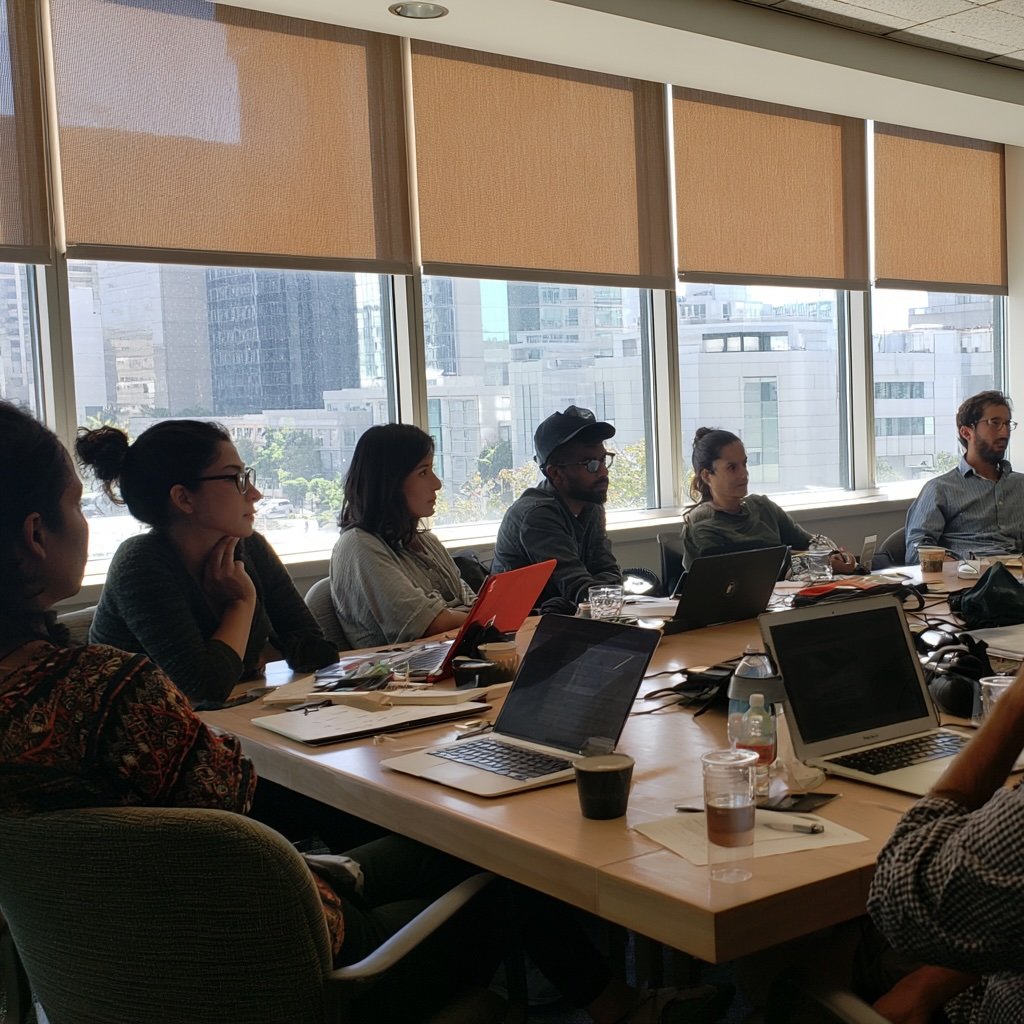

The first meeting on any project sets the tone for everything that follows, yet many teams still walk into a kickoff with a blank agenda and a vague sense of what needs covering. A well-run project kickoff meeting brings scope, roles, and risks into focus before real work begins, and AI tools now make that preparation far easier than it used to be. Instead of starting from a blank page, project managers can draft agendas, surface risks, and organize notes with AI help, freeing up meeting time for the conversations that need a room full of people.
Why the Project Kickoff Meeting Still Matters
Poor communication remains one of the leading causes of project failure, contributing to nearly a third of projects that miss their goals (PMI, cited in ProProfs, 2026). A strong kickoff is the first real chance to prevent that outcome, since it is where scope gets defined, roles get assigned, and early misunderstandings get caught before they turn into costly rework weeks later.
Organizations that lean on AI throughout their project work are already seeing the payoff show up in delivery numbers. Firms using AI tools for project management deliver a notably higher share of projects on time compared with those that do not, according to research covering thousands of project outcomes (PMI, cited in Ricci, 2026). A sharper project kickoff meeting is one of the simplest places to start capturing that advantage.
Preparing an Agenda Before the Project Kickoff Meeting
Cold-starting a kickoff agenda used to eat up an hour of staring at a blank document. AI tools have largely solved that problem, generating a first draft of a charter, scope statement, or communication plan through a short cycle of prompt, review, and edit rather than a long blank-page exercise. The draft always needs a human pass, but starting from a reasonable first version beats starting from nothing every time.
Risk brainstorming benefits from the same approach. Feeding project details into an AI tool ahead of time produces a starting list of risks that a project manager can then bring to the team for review and refinement. You still need a human to judge probability and real-world impact, but the starting list is often stronger than what one person would generate alone in a rushed planning session.
Running the Project Kickoff Meeting Itself
Once the room is assembled, the meeting itself should stay focused on decisions rather than information delivery that could have been shared in advance. Circulating the AI-drafted agenda, charter, and risk list before the meeting lets attendees arrive informed, freeing meeting time for debate, tradeoffs, and alignment on open questions.
AI meeting assistants can capture notes, decisions, and action items automatically as the conversation happens, removing the burden of manual note-taking from whoever would otherwise be scribbling instead of participating. This live capture also creates a searchable record the team can reference later, so decisions made in the kickoff don’t quietly disappear once everyone returns to their desks.
Turning Kickoff Outcomes Into Action
A project kickoff meeting only pays off if its outcomes turn into tracked work. Action items and decisions captured during the meeting should flow directly into the project management tool the team already uses, closing the gap between what gets discussed and what gets done. Teams that skip this step often repeat the same conversations in later meetings because nothing from the kickoff stuck.
Explaining technical artifacts in plain language is another underrated use of AI after a kickoff. When a project touches something outside the manager’s direct expertise, whether a system diagram or a technical spec, asking an AI tool to translate it into plain terms with a few good follow-up questions changes the quality of every conversation that follows. None of this replaces the judgment, negotiation, and stakeholder management that still sit squarely with the project manager. Still, it clears away the friction that used to slow every kickoff down.
Teams that adopt these habits tend to see the benefit compound over time. Each project kickoff meeting gets a little faster to prepare, each risk list gets a little sharper, and each round of notes gets a little more consistent, since the AI tools carry patterns forward from one project to the next. That consistency is often the real prize, more than any single time saving.
References
ProProfs Project. (2026, May 29). Project management statistics and trends for 2026: The future of projects. https://www.proprofsproject.com/blog/project-management-statistics/
Ricci, T. M. (2026, June 17). AI for project management: The complete 2026 guide. https://www.tommasomariaricci.com/blog/ai-for-project-management-guide
Ardent Workshop. (2026, May 23). AI in project management 2026. https://www.ardentworkshop.com/blog/ai-project-management-2026/