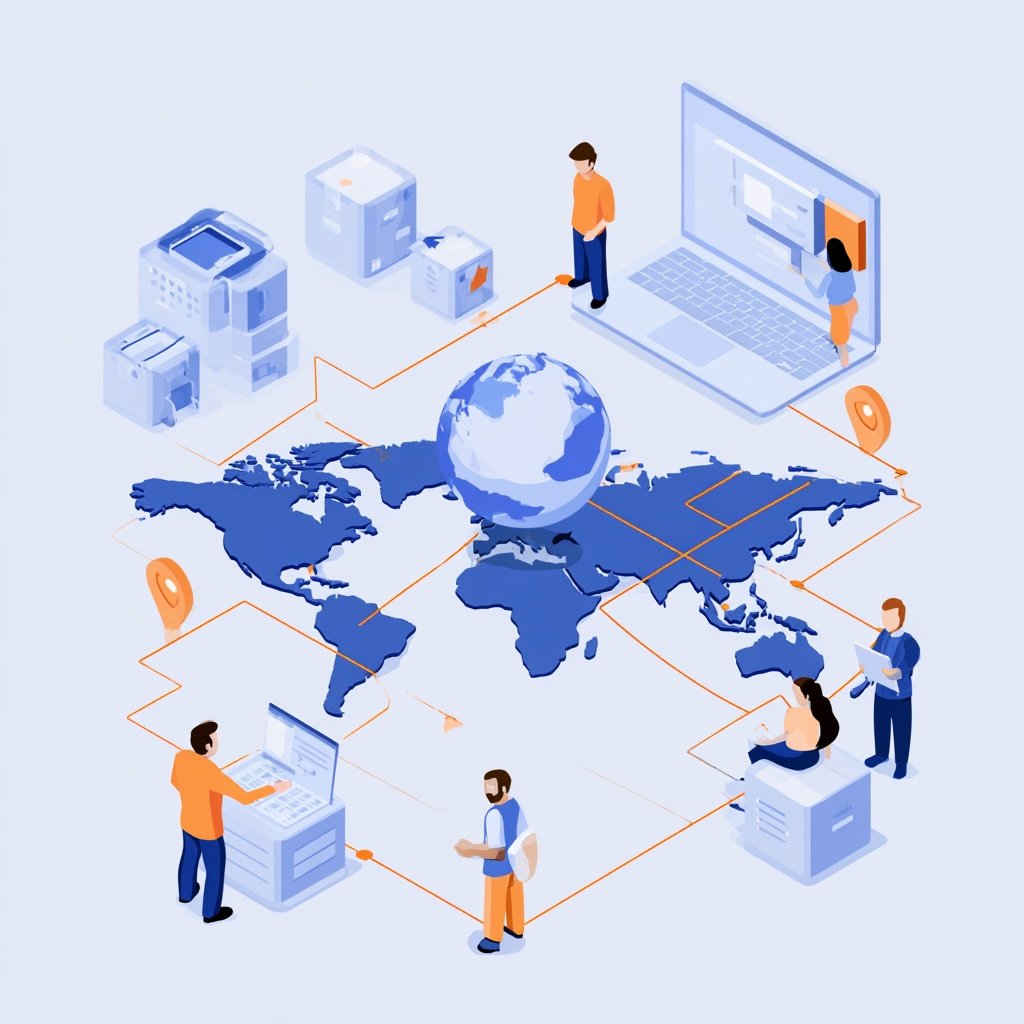

Technical writers used to hand off finished docs to a translation vendor and wait weeks for results. That model is fading fast. Building a solid AI localization workflow now sits squarely inside the technical writer’s job, not off in some separate department. The shift makes sense once you see the numbers. One Fortune 100 tech company saved 3.4 million dollars in a single year after moving to AI-assisted human translation, while cutting delivery time in half and holding a quality score above 99 percent (Smartling, 2026). If your team still treats localization as an afterthought, this is the moment to rethink that.
Why Technical Writers Own This Now
Documentation changes constantly, and traditional localization cycles were never built for that pace. Every time a product update ships, static translation queues fall further behind, leaving global users staring at outdated screenshots and mismatched terminology. An AI localization workflow closes that gap by connecting your source content directly to translation as soon as it changes, rather than batching everything for a quarterly push.
This does not mean AI replaces human judgment. Cherryleaf’s 2025 survey found that 55 percent of technical communicators already use AI regularly, and the trend keeps climbing as teams realize AI handles volume while humans still handle nuance (Instrktiv, 2026). Writers who understand both sides of that split are the ones setting the pace for their teams right now.
Building an AI Localization Workflow Step by Step
Start with your source content itself, since messy source docs produce messy translations no matter how good the model is. Strip out unnecessary formatting, tighten your sentences, and remove idioms that do not translate cleanly. A clean source file prevents the AI from misreading structure or context later in the pipeline (Doctranslate, 2026).
Next, feed the system real context beyond raw text. Modern tools accept your glossary, brand voice guide, and even screenshots so translated strings land grammatically correct and technically accurate at the same time. One documented case saw translation accuracy reach 71 percent on a first pass simply by adding that extra context, with every string approved by a human proofreader without further edits needed (Crowdin, 2025). That is the kind of leverage a well-built AI localization workflow gives you.
Finally, connect the pipeline to your existing tools rather than running it as a separate manual step. Continuous localization means a developer or writer updates a string, and it flows through translation automatically without someone emailing a spreadsheet around.
Where Human Review Still Matters
AI handles the first pass well, but domain-specific terminology, compliance language, and cultural fit still need a human set of eyes before anything ships. This is especially true for regulated industries where a mistranslated phrase carries real legal weight, not just an awkward reading experience. Keep a review owner assigned to every language you support, and make sure that person has actual context on the product rather than just language skills.
Glossaries deserve special attention here too. A shared glossary keeps terms like dashboard, webhook, or trial period consistent across every language your docs touch, which prevents confusion for both readers and the AI doing the translating. Without one, the same term drifts into three different translations across a single product, and users notice.
Keeping Your AI Localization Workflow Sustainable
An AI localization workflow only stays useful if someone maintains it. Set a recurring check on translation quality scores, watch for terms that keep getting flagged for correction, and update your glossary as the product evolves. Treat this the same way you would treat any other piece of technical infrastructure, since neglect shows up quickly as stale or awkward translations reaching real users. A neglected AI localization workflow degrades slowly, and by the time someone notices, the fix takes far longer than the maintenance would have.
The teams getting the most out of this approach are not chasing every new tool that launches. They pick one solid pipeline, feed it good context, and keep a human reviewer in the loop for anything that matters. That combination beats a flashier setup every time, and it scales a lot better as your product adds more languages and more content to translate.
References
Smartling. (2026). AI localization: How it works and best practices in 2026. https://www.smartling.com/blog/ai-localization
Instrktiv. (2026). AI in technical writing: Complete guide for 2026. https://instrktiv.com/en/ai-in-technical-writing/
Doctranslate. (2026). Localization workflow optimization: A 2026 guide for teams. https://www.doctranslate.io/blog/localization-workflow-optimization-guide-for-teams-2026
Crowdin. (2025). AI localization: Automating content workflows in 2026. https://crowdin.com/blog/ai-localization