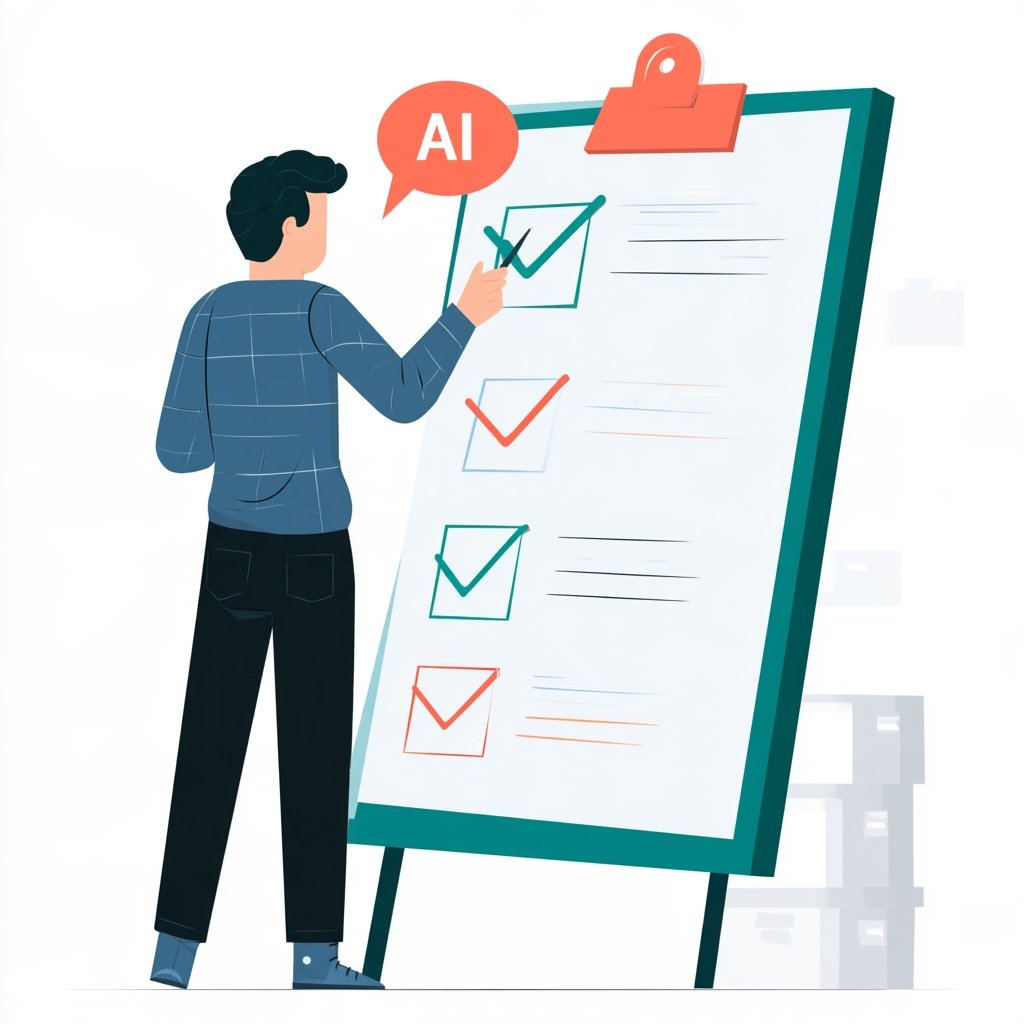

Every company seems to have a long wish list of AI ideas right now. Sales wants smarter forecasts. HR wants faster screening. Meanwhile, finance wants to know what this will cost. That is where AI use case prioritization saves the day.
Simply put, it is the habit of ranking your AI ideas so the best ones go first. In this post, we will walk through a casual and practical way to do it. As a result, you can stop guessing and start building things that pay off.
Why AI Use Case Prioritization Matters Now
Money is flowing into AI at a record pace. For example, Gartner (2026) forecasts that worldwide AI spending will grow by 49.5% in 2026. That is a huge jump in a single year. However, spending is not the same thing as results.
McKinsey & Company (2026) found that only 37% of survey respondents could link any EBIT impact to AI. Even more telling, that number barely changed from the year before. In other words, lots of companies are busy with AI, yet few are seeing it on the bottom line. So what separates the winners from everyone else? Often, it comes down to picking the right projects in the right order. A team that chooses three smart projects will usually beat a team that chases twenty shiny ones.
Start With Real Problems, Not Cool Tools
First, resist the urge to start with the technology. Instead, start with the pain your people feel every day. OpenAI (2025) suggests looking for three kinds of friction. These include repetitive, low-value tasks; skill bottlenecks that slow teams down; and work that feels vague or hard to start. Each of these signals a place where AI could help.
Next, talk to the people doing the work. Ask them where they lose time. Ask them which tasks they dread. Then write down every idea, no matter how small it seems. Small ideas often turn into the fastest wins. Plus, when employees help build the list, they are far more likely to use the tools later. Similarly, OpenAI (2025) notes that complex use cases can slow progress, while letting employees find what works for them often moves faster.
Score Each Idea on Value and Effort
Once you have a list, score it. To keep things simple, give each idea two ratings from one to five. The first rating is value. It asks how much the idea would help customers, revenue, or saved time. The second rating is effort. It asks how hard the idea would be to build, test, and maintain.
After that, place each idea on a simple grid. High-value, low-effort ideas are your quick wins. They go at the top of the list. High-value, high-effort ideas are big bets, so you plan them carefully. Low-value, low-effort ideas can wait for a slow week. Finally, low-value, high-effort ideas get dropped. This grid is not fancy. Still, it turns a messy debate into a clear conversation that everyone can follow.
Check Your Data and Risk Before You Commit
Of course, a great score means little if the data is not ready. Before you commit, ask a few quick questions. Is the data clean? Can your team access it? Does it include private customer details? If the answers are shaky, the project may need groundwork first.
Likewise, think about risk. An AI tool that drafts internal meeting notes carries little danger. On the other hand, a tool that approves loans or answers medical questions needs much more care. Higher risk does not mean no. Instead, it means more testing, more oversight, and a slower rollout. By adding data readiness and risk to your scoring, you avoid surprises later. Consequently, your top projects become safer bets.
Keep AI Use Case Prioritization Moving
Prioritizing once is not enough. Business needs change, and AI tools improve every few months. So revisit your list every quarter. Move finished projects off the board. Then add new ideas as teams spot fresh pain points.
Also, measure every pilot against a clear goal. If a tool saves ten hours a week, track it. If it fails to help, retire it without guilt. McKinsey & Company (2026) reports that only about 6% of respondents qualify as AI high performers. Those organizations tend to treat AI as a steady discipline rather than a one-time experiment. Thus, a regular rhythm of AI use case prioritization keeps your efforts focused on value.
Bringing It All Together
To sum up, you do not need a giant consulting project to rank your AI ideas. Start with real problems. Then score each idea on value and effort. Next, check your data and risk. Finally, review the list often and measure what matters. With this simple routine, your team can spend less time debating and more time delivering. Before long, those quick wins will build the trust and budget you need for bigger bets.
References
Gartner. (2026, September 16). Gartner forecasts worldwide AI spending to grow 49.5% in 2026 [Press release]. https://www.gartner.com/en/newsroom/press-releases/2026-09-16-gartner-forecasts-worldwide-ai-spending-to-grow-49-point-5-percent-in-2026
McKinsey & Company. (2026). The state of AI in 2026: On the road to ROI. https://www.mckinsey.com/capabilities/quantumblack/our-insights/the-state-of-ai
OpenAI. (2025). Identifying and scaling AI use cases. https://cdn.openai.com/business-guides-and-resources/identifying-and-scaling-ai-use-cases.pdf