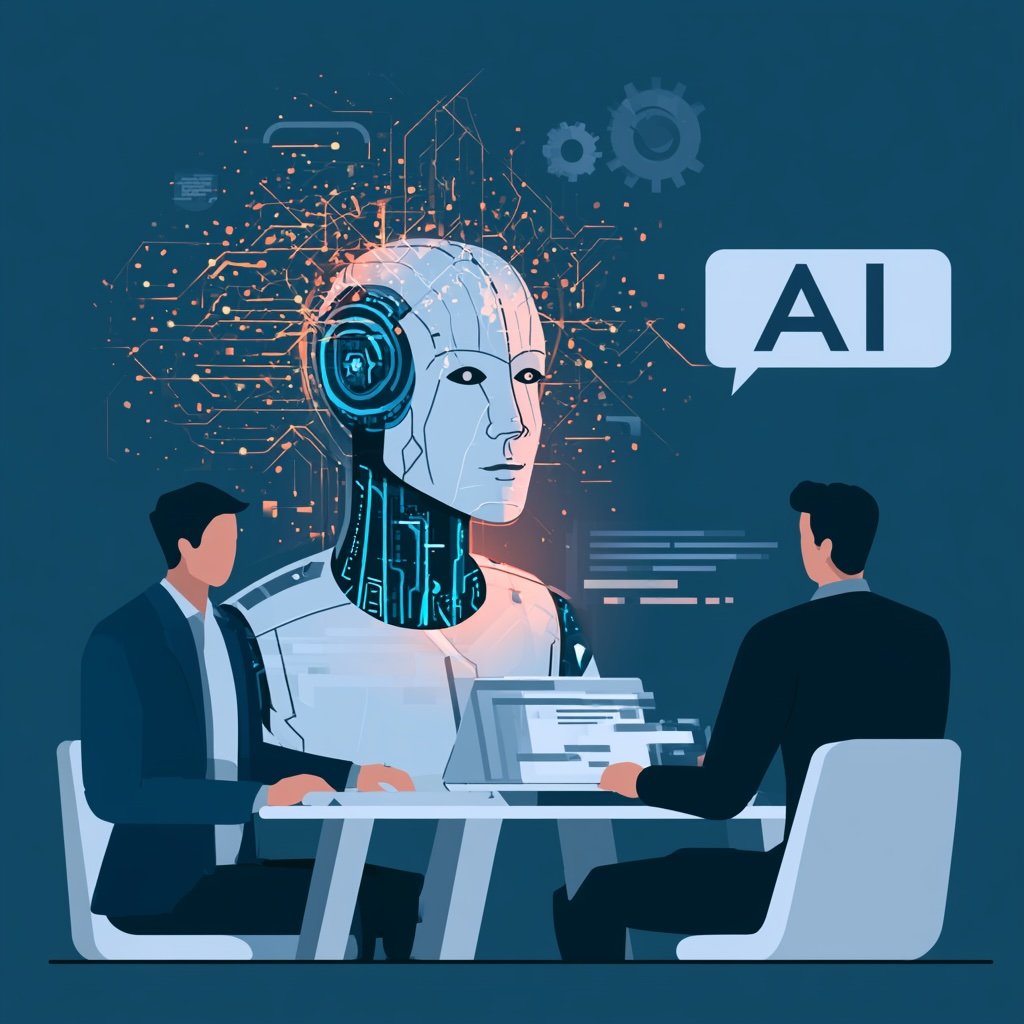

Software teams everywhere have picked up AI pair programming, and the shift happened fast. Most developers now write code alongside an AI assistant instead of typing every line on their own. This mix of human judgment and machine speed has changed how teams plan sprints, review pull requests, and train junior engineers. Yet speed without structure creates new problems. Teams that treat AI pair programming as a plug-and-play upgrade often end up with messy codebases, duplicated logic, and slower reviews than before. The teams that succeed build habits around the tool instead of just turning it on.
Why AI Pair Programming Adoption Keeps Growing
Developer surveys keep pointing in the same direction. A large share of developers now use AI tools daily, and writing code has become the most common use case (Index.dev, 2025). Coding assistants started as simple autocomplete tools. Today they read whole repositories, suggest multi-file edits, and in some setups run tasks on their own.
That growth brings real upside. Developers report finishing routine work faster and spending more time on design decisions. Meanwhile, the tools themselves keep improving, adding better context windows and cleaner integration with version control. None of this means AI pair programming replaces good engineering judgment. It means the judgment now applies to a faster-moving process, so teams need clear guardrails from day one.
The Hidden Cost of Moving Too Fast
Speed without review quietly drags on teams. Pull requests built with AI assistance often sit far longer in review than human-written code, since reviewers must check for subtle logic errors that look correct at first glance. An analysis of millions of pull requests across thousands of teams found that AI-generated code waited nearly five times longer for review than human-written code, showing that the productivity gain from generation gets eaten up by the verification bottleneck (Fungies.io, 2026).
There is also a learning cost. Developers who lean on AI assistance for problem solving sometimes lose depth of understanding along the way. A recent study cited in industry coverage found that participants who relied heavily on AI scored notably lower on post-task quizzes despite finishing in similar time, pointing to a real risk of skill fade if teams never practice without the tool (Refine.dev, 2026).
Building an AI Pair Programming Workflow That Works
The strongest teams treat AI output the way they would treat work from a new hire. They review every suggestion for correctness, test it against edge cases, and check for hidden security gaps before merging. This habit alone prevents most of the trouble that comes from blind acceptance.
Context matters as much as review. Vague prompts produce vague code, so engineers who share specific requirements, existing patterns, and constraints get far better results. Teams that standardize prompts across the group also see more consistent output, since everyone feeds the assistant similar context rather than reinventing the wheel each time.
Disclosure helps too. When engineers flag which parts of a pull request came from AI pair programming, reviewers know where to focus extra attention. This small step turns a hidden risk into a visible one that the team can manage together.
Choosing Tools and Measuring Results
Tool choice should follow the type of work, not hype. Autocomplete-style assistants suit small edits and boilerplate, while agentic tools that operate across a repository suit larger refactors and feature work. Many teams now run more than one tool side by side, picking the right assistant for each task rather than forcing one tool to do everything.
Measurement closes the loop. Tracking acceptance rates, review time, and bug counts over several sprints tells a team whether their AI pair programming setup is paying off or just creating an illusion of speed. Teams that skip this step often keep using a workflow that feels fast but quietly generates more rework down the line.
Keeping Skills Sharp While Using AI Pair Programming
Deliberate practice without AI assistance still has a place on the calendar. Setting aside time for unaided coding, code reviews, and design discussions keeps engineers sharp and ready to catch mistakes the AI might miss. Pairing this habit with the workflow steps above gives teams the speed of AI pair programming without losing the judgment that makes software good in the first place. The tools will keep changing, but a team built on review, context, and honest measurement will adapt no matter what comes next in this fast-moving space.
References
Fungies.io. (2026, April 20). AI pair programming: The complete 2026 guide for developers. https://fungies.io/ai-pair-programming-guide-2026/
Index.dev. (2025, November 4). Top 100 AI pair programming statistics 2026: GitHub Copilot adoption and tools. https://www.index.dev/blog/ai-pair-programming-statistics
Refine.dev. (2026, February 20). Pair programming vs AI pair programming: Is this the new normal? https://refine.dev/blog/pair-programming-vs-ai-pair-programming/
Groovyweb. (2026, June 9). AI pair programming in 2026: How teams are shipping 10X faster with AI copilots. https://www.groovyweb.co/blog/ai-pair-programming-tools-workflow-2026