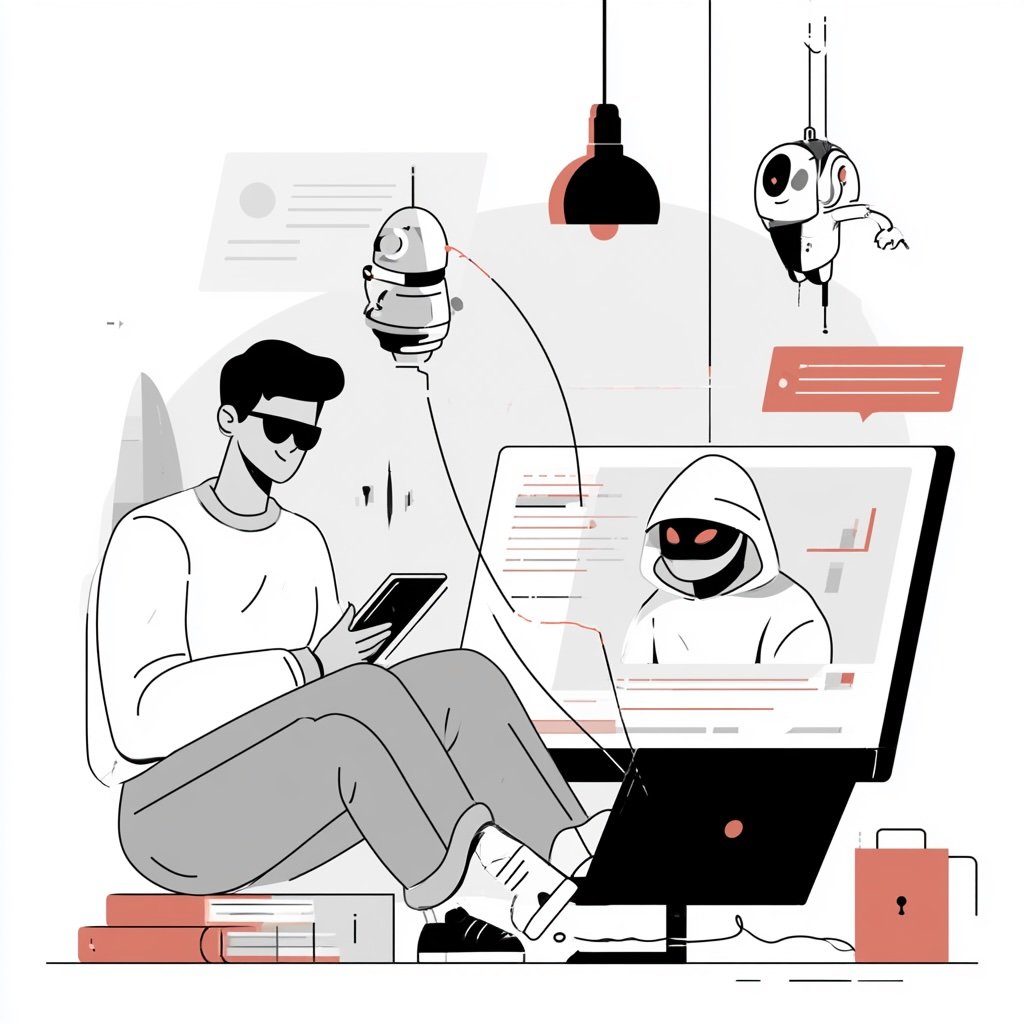

AI-Powered Phishing in 2026 looks nothing like the phishing emails security teams trained employees to spot five years ago. The typos are gone. The generic greetings are gone. Attackers now use AI to study a target’s role, writing style, and recent activity, then craft a message that fits naturally into that person’s inbox. Cisco Talos reported that phishing overtook vulnerability exploitation as the top method attackers used to gain initial access during the first quarter of 2026 (Dark Reading, 2026). This shift changes what defense needs to look like, and security teams that have not adjusted their training are already behind.
Why Personalization Changes Everything
Old phishing training told employees to look for spelling mistakes, unusual formatting, and generic greetings like “Dear Customer.“ None of those cues apply anymore. AI-generated messages reference a coworker by name, mention a project the target recently worked on, and match the tone of a normal internal email. That level of detail used to take a human attacker hours of research. Now it takes an AI system seconds to pull from public profiles, leaked data, and scraped company information. The cues employees learned to distrust have quietly disappeared, meaning the training built around those cues no longer protects anyone. Recent industry tracking found that more than 80% of phishing emails now show signs of AI-generated content, a sharp jump from just a few years earlier (StationX, 2026).
AI-Powered Phishing in 2026 Targets Trust, Not Just Inboxes
Attackers increasingly go after the relationships between people rather than a single inbox. A message that appears to come from a manager asking for an urgent wire transfer works because it exploits trust and hierarchy, not a technical flaw. Voice cloning has added another layer, letting attackers fake a short phone call that confirms the fraudulent email. Security teams need to view these attacks as social engineering campaigns that use email as one channel among several, rather than treating email security as a separate problem from voice and messaging security.
What Works for Defense Right Now
Multi-factor authentication still helps, but attackers have found ways around simple approval-based systems using fatigue attacks and adversary-in-the-middle kits. Stronger defenses combine phishing-resistant authentication methods with continuous monitoring for unusual login patterns. Employee training still matters, but it needs an update. Teams should train people to verify unusual requests via a secondary channel, such as a phone call to a known number, rather than replying to the original message. Simulated phishing tests should now include AI-generated examples so employees experience what a convincing attack looks like before a real one arrives in their inbox. Independent scoring models built to measure this effect found AI-powered phishing kits now outperform every other attack type across click rate, cost reduction, and detection evasion combined (Axis Intelligence, 2026).
Building Detection Around Behavior, Not Just Content
Traditional filters look for known bad links, suspicious attachments, and blocked domains. AI-generated phishing often passes these checks because the content looks clean and the domains are freshly registered and unflagged. Behavioral detection offers a better path forward. Systems that flag unusual login locations, atypical request patterns, or sudden changes in email forwarding rules catch attacks that content-based filters miss entirely. Combining behavioral signals with content analysis gives security teams a more complete picture than either approach alone. Teams that invest in this kind of tooling early tend to catch the next wave of AI-Powered Phishing in 2026 attacks well before they cause real damage. Hoxhunt’s own telemetry recorded the AI-generated share of phishing attacks spiked during the 2025 holiday season before settling at a still-elevated level in the new year, showing how quickly attacker tactics can shift (Hoxhunt, 2026).
Training Employees for AI-Powered Phishing in 2026
Security awareness programs need a real update, not just a light refresh of old material. Employees benefit from seeing genuine examples of AI-generated phishing side by side with older, clumsier attempts, so they understand how much the threat has changed. Short, frequent training sessions tend to stick better than a single long annual course that gets forgotten within weeks. Rewarding employees who report suspicious messages, rather than only punishing those who click on bad links, builds a culture where people feel safe raising concerns quickly. That culture shift matters as much as any technical control against AI-Powered Phishing in 2026.
Preparing Teams for What Comes Next
AI-Powered Phishing in 2026 will keep evolving as the tools attackers use become more accessible and cheaper to run. Security leaders should expect personalization to get even sharper and voice-based attacks to become more common. Building a culture where employees feel comfortable pausing to verify a request without fear of appearing overly cautious may matter more than any single piece of technology. The organizations that adapt fastest will be the ones that treat this as an ongoing shift in attacker behavior rather than a one-time training update. Budget conversations should reflect that reality too, since underfunding detection tools now often costs far more later in incident response and recovery.
References
Dark Reading. (2026). AI phishing is No. 1 with a bullet for cyberattackers.
StationX. (2026). Phishing statistics 2026, latest attack data and trends.
Hoxhunt. (2026). Phishing trends report, updated for 2026.
Axis Intelligence. (2026). AI phishing statistics 2026, the inflection point and the 14x surge.